Budget apartment rentals: Hidden costs often overlooked by tenants
In areas with a high cost of living, finding an affordable apartment is the first step toward managing living expenses. Lower monthly rent prices can seem very appealing, as housing costs in these areas often exceed most tenants’ budgets. However, the listed price is not always the whole story.
Many tenants only discover after signing a lease that their actual monthly housing costs are far higher than expected. This discrepancy usually stems from additional fees that are either only briefly mentioned in the lease or not clearly highlighted during the apartment search.
These hidden or easily overlooked costs can make an apartment that initially seemed affordable become surprisingly expensive. Understanding these fees in advance helps tenants make more realistic financial decisions and avoid unnecessary unexpected expenses.
Why the Listed Rent Is Only Part of the Cost
Apartment listings typically highlight the base rent because it is the most prominent figure and the easiest for tenants to use when comparing prices across different properties. However, many apartment buildings also charge additional fees that are not included in the base rent.
Property management companies, building maintenance systems, and local utility fees all contribute to the final monthly expenses. In some cases, these fees are optional; in others, they are mandatory and automatically added to the monthly rent.
For tenants evaluating affordable apartments, the key question should not simply be “How much is the rent?” but rather “What is the actual total monthly cost?” One of the most commonly overlooked costs is the property management fee or administrative fee.
Large apartment buildings are typically managed by professional property management companies rather than individual owners. These companies handle repair requests, lease agreements, tenant communication, and building operations. To cover the cost of these services, some properties charge an additional management or administrative fee. These fees can take various forms:
* Monthly building service fee
* Administrative processing fees
* Resident service packages
* Technology or convenience fees
Although each fee may seem small on its own, they can significantly increase the total monthly bill when added together. For example, a building might list the monthly rent for an apartment at $1,800. When you add a $75 service fee and a $30 management fee, the actual monthly rent rises to $1,905.
Over the course of a year, this difference will increase a tenant’s expenses by more than $1,200. When reviewing a lease agreement, tenants should ask the landlord for a detailed breakdown of all monthly fixed costs, rather than focusing solely on the base rent.

Parking Fees That Increase Monthly Costs
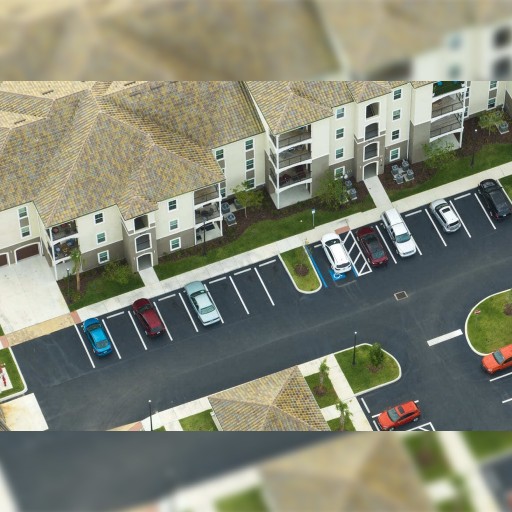
Parking fees are another expense that tenants often underestimate. In densely populated urban areas, parking spaces are limited and are typically considered a separate amenity rather than a standard feature of an apartment. Buildings located near busy commercial districts or transportation hubs may charge high monthly parking fees. In cities like Boston or Los Angeles, monthly parking costs can range from a few dollars to several hundred dollars, depending on location and building type. Some listings advertise apartments as affordable but do not include parking in the base rent. Tenants who mistakenly assume parking is included may later discover they need to pay an additional monthly fee. Before signing a lease, tenants should confirm the following:
* Whether a parking space is included
* Whether the parking space is optional or required
* How much the monthly parking fee is
* Whether additional garage or security fees apply
For tenants who rely on a car for daily use, parking costs should be factored into the housing budget rather than treated as an optional expense.
Utility Costs Vary by Building
Utility costs are one of the most variable components of rental expenses. Different buildings handle utility charges differently, and tenants sometimes mistakenly assume that utilities are included in the rent when they are not. Common utilities include:
* Electricity
* Gas or heating
* Water and sewage
* Garbage collection
* Internet service
Some apartments include certain utilities in the rent, while others require tenants to manage all services themselves. In older buildings, heating systems may be less energy-efficient, leading to higher electricity or gas bills in the winter.
In contrast, newer buildings may be equipped with energy-efficient systems, but landlords or property managers may charge technical or service fees to maintain this equipment. Seasonal variations are also important.
For example, air conditioning costs in the summer or heating costs in the winter can significantly impact monthly utility bills. When evaluating affordable apartments, tenants should ask the landlord or property manager for an estimate of typical monthly utility costs. Even a rough estimate can help create a more accurate budget.
Move-in Costs and One-Time Fees
In addition to monthly fixed costs, many apartments involve one-time fees that tenants should factor into their overall housing budget. These fees may include:
* Application fee
* Credit check fee
* Move-in or move-out fee
* Security deposit
* Pet deposit or pet registration fee
Although these fees are not charged monthly, they still impact the total cost of moving into an apartment. For example, a tenant might choose an apartment because it appears cheaper than other options, only to realize later that the initial move-in costs are significantly higher.
Understanding all associated costs before signing a lease helps tenants compare different apartments more accurately.
Since rent pricing structures vary widely, the best way to evaluate low-cost apartments is to calculate the actual monthly rent.
A simple formula can help: Total Monthly Housing Cost = Base Rent + Mandatory Fees + Average Utilities + Parking Fee (if applicable) For example: Base Rent: $1,700, Property Management Fee: $80, Average Utilities: $150, Parking Fee: $120, Estimated Total Monthly Cost: $2,050.
This method provides a clearer picture of actual costs than simply looking at the rent listed in an ad. To avoid surprises, renters should ask specific questions before signing a lease: Which utility costs are included in the rent?
What are the monthly fixed expenses? Is parking included in the rent or charged separately? Are there any mandatory service or facility fees? What is the average monthly utility bill? Clear answers to these questions help renters estimate their actual living expenses and avoid misunderstandings later on.
 1
1 1
1OTHER NEWS
-
- Fixed deposits are not as good as flexible financial management? Analysis of financial management trends in 2025
- By ZH 24 Jul,2025

-
- How much longer can the seven tech giants of the US stock market withstand high interest rates?
- By ZXY 28 Jul,2025

-
- Can the AI sector continue to drive the tech stock rally?
- By ZXY 30 Jul,2025

-
- What does the upgraded regulation of digital currencies mean to investors?
- By ZH 25 Jul,2025

-
- Some Tips on Buying a Condo!
- By Wendy 24 Apr,2023

-
- What do you Mean by Mortgage? What Does it Mean to Have a Mortgage?
- By Little Grapes 24 Apr,2023

-
- Gold surges to a new all-time high—what are investors afraid of?
- By ZXY 29 Jul,2025

-
- "Buy Now, Pay Later" is changing the consumer finance landscape: a payment revolution spreading around the world
- By ZH 25 Jul,2025

-
- Should you Choose a Real Estate Agent When Buying a Home?
- By Wendy 24 Apr,2023

-
- Global manufacturing is slowing down in tandem. When will deflation strike?
- By ZXY 01 Aug,2025

-
- Trump reignites tariff war, global supply chains face another shakeup
- By ZXY 28 Jul,2025

-
- How much longer can the eurozone hold out? The ECB has reached the end of its rate hike cycle
- By ZXY 01 Aug,2025