How to choose a qualified botulinum toxin injection clinic
Choosing a Botox clinic is no trivial matter. Botox is a medical product derived from botulinum toxin. While widely used in cosmetic and therapeutic applications, its safety and efficacy depend heavily on the injector, storage methods, and treatment plan formulation.
In primary markets—such as the United States, the United Kingdom, Western Europe, and other regions with stringent medical regulations—patients often assume all clinics meet similar standards. In reality, however, clinic quality can vary significantly.
We aim to help you make an informed and pragmatic choice, avoiding promotional language and instead highlighting realistic criteria you can evaluate before committing to treatment. The goal isn't to find the “best” clinic in marketing terms, but to identify a qualified, responsible, and suitable provider of Botox injections.
Why Choosing the Right Medical Facility Matters
Botox is a prescription medication, not a cosmetic product in the everyday sense. It works by temporarily blocking nerve signals to specific muscles, thereby reducing muscle movement in the targeted area.
While its mechanism of action is well understood and it is generally safe when used correctly, improper dosing or injection technique can lead to adverse outcomes such as asymmetry, drooping, or functional impairment.
Therefore, the clinic you choose is as important as the product itself. A qualified clinic should meet the following criteria: medical training, regulatory compliance, sound clinical judgment, and ethical communication with patients.
The primary focus should be on the medical facility's credentials—not the clinic's brand—and who is legally authorized to administer Botox. In most major markets, Botox injections must be performed by licensed medical professionals or trained staff under direct medical supervision.
Depending on your country or region, this may include: physicians (e.g., dermatologists, plastic surgeons), registered nurses or nurse practitioners (with appropriate certification), physician assistants (under supervision).
What matters is not just the clinic's name, but who performs the injections. Before booking an appointment, ask who will actually administer the Botox injections—not just the clinic owner.
Verify their professional license through public regulatory databases to confirm they have specialized training in injection therapy, not just general medical qualifications. Exercise caution if a clinic is reluctant to disclose the injector's credentials.
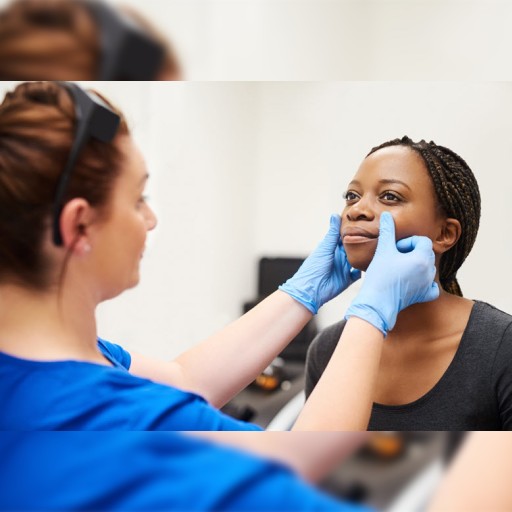
Medical Oversight and Clinical Accountability
A key distinction between high-quality clinics and substandard facilities lies in medical governance. A qualified Botox injection clinic should have a designated medical director, robust adverse reaction protocols, and access to emergency medical support for complications. In T1 markets, Botox injections are approved and regulated by the U.S.
Food and Drug Administration (FDA) or equivalent agencies. Clinics must adhere to approved usage guidelines, including correct dosage ranges and authorized indications. Even when administering Botox off-label, responsible clinics should clearly explain the rationale and provide medical justification.
Consultation quality is another vital indicator of clinic standards; a qualified facility will not treat Botox injections as routine walk-in services. Instead, your medical history—including neuromuscular disorders, prior botulinum toxin or filler treatments, medications affecting injection safety, and your goals and expectations—will be the clinic's primary focus.
The physician should also assess whether botulinum toxin injections are suitable for you. The courage to say “no” reflects professionalism, not inconvenience. Exercise caution if:
* The consultation feels rushed or superficial
* Risks and side effects are downplayed or ignored
* Guaranteed results are promised
* The primary goal seems to be selling multiple products or packages
A reputable clinic will discuss the benefits and limitations of the product with you without pressure.
Product Authenticity and Handling Standards
Botox must be procured through authorized medical supply channels and stored under strict temperature control. Counterfeit or improperly stored products may be ineffective or unsafe.
You may reasonably inquire whether the clinic uses genuine, manufacturer-approved Botox, how products are stored and reconstituted, and whether single-use vials and sterile protocols are followed. A qualified clinic will not be offended by these questions and should provide clear answers.
Additionally, while a clinic's weekly injection volume is important, what matters more is their experience with your specific treatment area, understanding of facial anatomy and muscle balance, and ability to carefully adjust dosages over time.
Experienced injectors typically favor gradual corrections rather than over-injecting in a single session. Clinics marketing speed, discounts, or bulk treatments may prioritize efficiency over personalized care. While such environments aren't inherently unsafe, they carry risks including over-treatment, standardized dosages, lack of customization, and limited follow-up support.

Transparency Regarding Risks, Side Effects, and Post-Treatment Care
Qualified Botox clinics provide clear written information covering:
* Common side effects (e.g., bruising, temporary weakness)
* Uncommon but significant risks
* Expected duration of results
* Steps to take if discomfort arises post-treatment
You should also receive post-treatment care instructions and contact information for addressing concerns after the procedure. If a clinic downplays risks or describes Botox injections as “risk-free,” it indicates poor medical communication.
While aesthetics aren't paramount, the clinic environment should meet basic healthcare standards: clean treatment rooms, proper sharps disposal, professional documentation, and informed consent forms.
These operational details reflect the clinic's commitment to medical responsibility. The effects of Botox injections are temporary, typically lasting three to four months. Qualified clinics treat Botox injections as part of an ongoing care relationship, not a one-time transaction.
Follow-up appointments or adjustments, post-treatment management protocols, and whether treatment plans are regularly reviewed are all questions worth asking in detail. Clinics offering structured follow-up services often deliver more consistent and safer treatment outcomes.
Selecting a qualified Botox clinic aims to minimize risks and maximize the likelihood of achieving natural, predictable results. While regulatory frameworks exist in highly developed markets, enforcement rigor and standards vary across institutions.
Rather than focusing on marketing claims, prioritize credentials, consultation quality, transparency, and clinical accountability to make a safer, more informed choice.
 1
1 1
1OTHER NEWS
-
- "Buy Now, Pay Later" is changing the consumer finance landscape: a payment revolution spreading around the world
- By ZH 25 Jul,2025

-
- Yield Curve Inversion Resurfaces: Is There Still Hope for a Soft Landing in the U.S. Economy?
- By ZXY 31 Jul,2025

-
- How much longer can the eurozone hold out? The ECB has reached the end of its rate hike cycle
- By ZXY 01 Aug,2025

-
- Can the AI sector continue to drive the tech stock rally?
- By ZXY 30 Jul,2025

-
- Should you Choose a Real Estate Agent When Buying a Home?
- By Wendy 24 Apr,2023

-
- Is German manufacturing losing its edge? The latest casualty of the US-China strategic rivalry
- By ZXY 29 Jul,2025

-
- With China's exports declining, is the global consumption chain beginning to break?
- By ZXY 31 Jul,2025

-
- How do I Choose Between Selling my Home and Renting it out?
- By Wendy 24 Apr,2023

-
- How to Effectively Manage Debt: Strategies for Balancing Payments and Savings
- By YCY 07 Jan,2026

-
- Do small businesses really need tax services? When can they file their own taxes?
- By YCY 27 Jan,2026

-
- What do you Mean by Mortgage? What Does it Mean to Have a Mortgage?
- By Little Grapes 24 Apr,2023

-
- Mobile phone is the bank: one-click account opening, one-click financial management, digital financial life is coming
- By ZH 24 Jul,2025