The Importance of Core Strength: The “Central Engine” of Fitness
In the world of fitness, people often focus on training large muscle groups such as the chest, legs, and arms, but few truly understand the importance of “core strength.” Core strength is not simply about abdominal muscles; it encompasses a group of muscles around the abdomen, back, pelvis, and buttocks.
This muscle group serves as the “central engine” of your body, providing stability and power output for the entire body. Whether you're running, weightlifting, or practicing yoga, core strength is the foundation of all fitness activities.
This article will comprehensively explore the importance of core strength from multiple angles, guiding you on how to scientifically train your core to enhance fitness results and improve physical performance in daily life.
What is core strength?
Core strength refers to the muscle strength and control ability of the human trunk region, primarily including the rectus abdominis, transverse abdominis, obliques, lumbar and back muscle groups, multifidus, gluteus maximus, and pelvic floor muscles.
The core muscle group is responsible for maintaining the body's stability and balance while providing a solid foundation for limb movements. In other words, the core serves as the bridge connecting the upper and lower body, acting as the hub for force transmission.
We can imagine the core muscle group as a “suit of armor” tightly wrapped around the trunk, protecting the spine, reducing the risk of injury, and enhancing overall body coordination and strength efficiency. Good core strength allows the body to maintain proper posture during movement, avoid compensatory movements, and better perform various complex actions.
The importance of core strength
1. Preventing Injuries and Protecting the Spine
In modern life, sedentary office work and lack of exercise have led to an increasing number of people suffering from lower back pain. Weak core muscles can result in insufficient support for the spine, increasing the risk of lumbar disc compression and wear and tear.
Strengthening the core muscles can effectively reduce lumbar pressure, alleviate lower back pain, and prevent accidental injuries during exercise. Especially for runners, weightlifters, and athletes involved in ball sports, a strong core serves as a “natural shield” protecting the spine and joints.
2. Enhancing athletic performance and power output
The core is the “source” of the body's strength. Whether it's squats, deadlifts, or throwing motions, power must be transmitted from the core to the limbs. The stronger the core muscles, the more efficiently power is transmitted, leading to higher athletic efficiency and improved explosive power and endurance.
For example, a boxer's explosive power and a basketball player's jumping ability both rely on a solid core strength.
3. Improve posture and body control
The core muscles help maintain balance and posture. A weak core can lead to instability in the body's center of gravity, resulting in issues like anterior pelvic tilt, rounded shoulders, or scoliosis. Good core control allows you to stand taller, walk more steadily, and avoid chronic pain and functional impairments caused by poor posture.
4. Enhance functional abilities in daily life
In daily life, actions such as lifting heavy objects, climbing stairs, and turning rely on the stability of the core muscle group. Individuals with strong core muscles can perform these actions more easily, reducing fatigue and injury.
Especially for middle-aged and elderly individuals, core training can significantly improve bodily coordination and balance, reduce the risk of falls, and enhance quality of life.
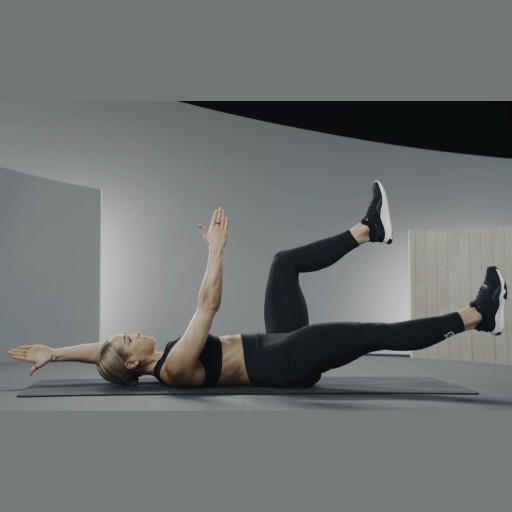
Scientific Methods for Core Strength Training
Core training is not as simple as doing sit-ups. Effective core training requires a focus on functionality, multidimensionality, and progression, comprehensively activating both deep and superficial muscles. The following are several practical and scientific core training methods.
1. Isometric Contraction Training (Static Stability)
Examples include plank holds, side bridges, and dead bug exercises. These exercises activate deep core muscles, improving trunk stability and endurance. Beginners are advised to start with 30 seconds and gradually increase the duration, completing 2-3 sets daily.
2. Dynamic Stability Training
Such as lying leg raises, Russian twists, and mountain climbers. This type of training combines core strength and dynamic control, suitable for improving athletic performance and functionality.
3. Functional Core Training
Compound movements that combine whole-body strength and coordination, such as dumbbell side bends, kettlebell swings, and medicine ball rotations. These exercises are more closely aligned with sports and daily movements, improving force transmission efficiency.
4. Breathing and Core Coordination
Breathing techniques are crucial in core strength training. Proper breathing (such as diaphragmatic breathing) helps activate the diaphragm and transverse abdominis muscles, enhancing core stability and preventing excessive breath-holding that can lead to elevated blood pressure.
Key Considerations for Core Strength Training
1. Proper Form is Essential
Incorrect form during core exercises can increase the risk of injury. It is recommended to use a mirror or seek guidance from a trainer initially to ensure proper form and avoid compensatory movements.
2. Progress Gradually and Avoid Overtraining
Although core muscles are small, they require adequate recovery time. Avoid overtraining, which can lead to fatigue and reduce effectiveness. Train 2–3 times per week with appropriate rest periods.
3. Combine with full-body training
Core training should not be done in isolation; it should be combined with aerobic, strength, and flexibility training to build a comprehensive and balanced physical fitness system.
4. Focus on activating deep muscles
Many people only activate the superficial abdominal muscles during core training, neglecting the deep stabilizing muscles. By utilizing the sensations during movements and professional guidance, focus on activating deep muscle groups such as the transverse abdominis and multifidus muscles to truly enhance core stability.
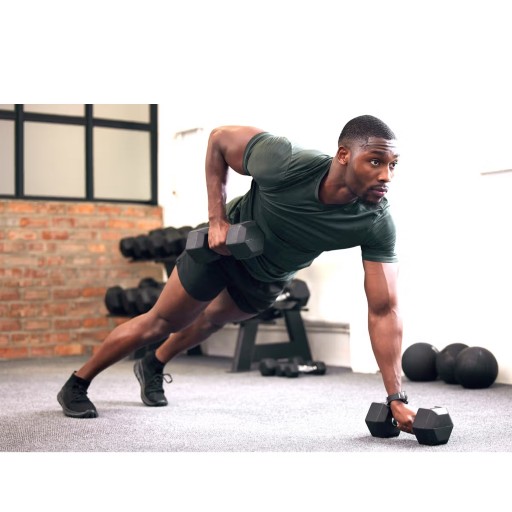
Life changes brought by improved core strength
Enhanced core strength not only makes your fitness training more effective but also significantly improves your daily life quality. You will notice:
Better posture, walking, sitting, or standing with greater confidence and elegance;
Significantly reduced lower back pain, feeling more comfortable during work and rest;
Improved athletic performance, running faster, jumping with more power, and greater flexibility;
Greater endurance, less muscle soreness during prolonged activities;
Easier daily movements, such as lifting heavy objects or climbing stairs;
Reduced risk of falls and injuries, particularly for older adults.
These changes will become valuable assets on your fitness journey, helping you move more freely and healthily in both sports and daily life.
Practical Core Training Recommendations
If you are a beginner or intermediate fitness enthusiast, try this simple core training plan:
First, perform a plank, keeping your body in a straight line, tightening your core, and holding for 30 to 60 seconds, completing 3 sets. Next, do side bridges, holding each side for 30 seconds, repeating 3 sets.
Then, perform the dead bug exercise, lying on the ground with your back flat, alternately lifting the opposite hand and leg, doing 12 repetitions per side, 3 sets total. Next, perform Russian twists: sit with your back slightly reclined, feet off the ground, and rotate your fists left and right, completing 20 repetitions (total for both sides), for 3 sets.
Finally, do mountain climbers, a dynamic core exercise: keep your body tense and quickly alternate knee-lifting running movements, completing 20 repetitions (total for both sides), for 3 sets.
Rest for 30 seconds to 1 minute between each set, adjusting intensity and duration based on your fitness level. After several weeks of consistent training, you will notice significant improvements in core strength and body stability.
Whether you are a fitness newbie or a seasoned athlete, core strength is an indispensable foundation. It is not only the source of strength but also the guardian of health. Strengthening your core is like installing a sturdy “pillar” for your body, enabling you to go further, steadier, and more effectively on your fitness journey.
Don't overlook those seemingly insignificant core exercises—they will protect you in critical moments, enhance your athletic performance, and make daily life more comfortable and effortless.
Take action now and build a solid core foundation for your body! You'll be pleasantly surprised to discover that a strong core not only gives you a more sculpted physique but also brings endless strength and confidence.
 1
1 1
1OTHER NEWS
-
- How to Effectively Manage Debt: Strategies for Balancing Payments and Savings
- By YCY 07 Jan,2026

-
- Should you Choose a Real Estate Agent When Buying a Home?
- By Wendy 24 Apr,2023

-
- Credit card points and rewards seem cost-effective, but they actually hide these traps
- By ZXY 01 Sep,2025

-
- Yield Curve Inversion Resurfaces: Is There Still Hope for a Soft Landing in the U.S. Economy?
- By ZXY 31 Jul,2025

-
- Do small businesses really need tax services? When can they file their own taxes?
- By YCY 27 Jan,2026

-
- How to Avoid Being Scammed by Credit Card Fraud!
- By Wendy 24 Apr,2023

-
- With China's exports declining, is the global consumption chain beginning to break?
- By ZXY 31 Jul,2025

-
- Fixed deposits are not as good as flexible financial management? Analysis of financial management trends in 2025
- By ZH 24 Jul,2025

-
- Mobile phone is the bank: one-click account opening, one-click financial management, digital financial life is coming
- By ZH 24 Jul,2025

-
- How much longer can the seven tech giants of the US stock market withstand high interest rates?
- By ZXY 28 Jul,2025

-
- Gold surges to a new all-time high—what are investors afraid of?
- By ZXY 29 Jul,2025

-
- Is German manufacturing losing its edge? The latest casualty of the US-China strategic rivalry
- By ZXY 29 Jul,2025