Dollar cycle inflection point in sight? How global assets are being repriced
Over the past decade, the strength of the US dollar has swept through global capital markets like a tidal wave. Whether it is commodity prices, the cost of financing in developing countries, or the valuation system of technology stocks, all are deeply affected by the fluctuation of the dollar. Now, this “dollar cycle” seems to be ushering in an important turning point.
The strength of the U.S. dollar is not just a matter for the U.S., but also a key variable that global investors must keep an eye on. In this article, we'll take you through an easy-to-understand look at why the dollar cycle matters, what shifts may now be taking place, and what this means for different types of global assets.
The dollar cycle: it's not just about exchange rates
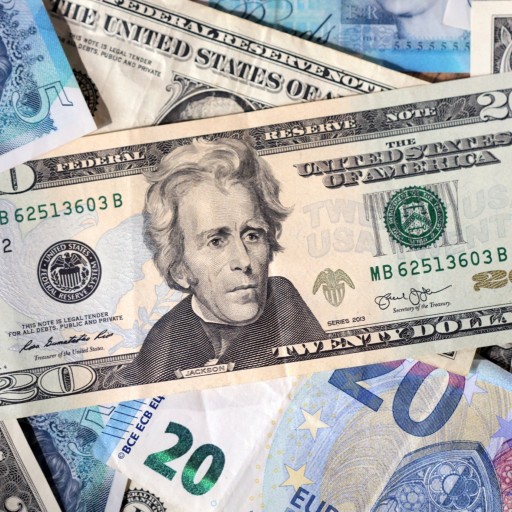
The US dollar is the world's dominant reserve, settlement and funding currency, and its ups and downs can affect everything.
What is the “dollar cycle”?
The “dollar cycle” refers to the alternation between upward (strong) and downward (weak) movements of the U.S. dollar exchange rate over a long period of time. It is usually accompanied by the following characteristics:
Strong dollar: strong U.S. economy, high interest rates, attractive U.S. debt;
Weak dollar: global economic recovery, Fed shift to easing, capital outflows.
Such cycles roughly round every 7-10 years. Over the past 30 years, we have experienced several typical rounds:
1995-2001: strong dollar (tech bubble era);
2002-2008: dollar weakness (commodity super cycle);
2009-2014: a period of oscillation;
2015-2022: a new round of dollar strength (Fed rate hikes, risk aversion).
Why do global assets follow the “dollar dance”?
Because the dollar is in a unique position in the global financial system:
Valuation anchor: many assets (such as gold, crude oil, global equities) are denominated in U.S. dollars;
Financing costs: many emerging markets borrow in US dollars, and a stronger dollar means more expensive repayments;
Capital flows: when the dollar is strong, capital flows back to the US and liquidity is tight in other global markets.
In other words, the dollar cycle determines the center of gravity and pace of global capital.
2025: is the dollar inflection point really here?
Into 2025, the market on the “dollar has entered a weak cycle” more and more voices. The logic behind this judgment comes from three main directions. 1:
1. The Federal Reserve monetary policy shift
The Fed raised interest rates continuously until the end of 2023, successfully suppressing high inflation. From 2024 onwards, gradually turning to the “interest rate reduction cycle”. Declining interest rate differentials make the US dollar less attractive relative to other currencies.
The US Dollar Index (DXY) has fallen from its highs above 110 to around 100;
Markets have begun to bet on continued monetary easing by the Fed over the next 18 months. 2.
2. Accelerated “de-dollarization” of global funds
Several central banks have begun to diversify their reserves:
Increase gold holdings (global central bank net gold purchases in 2023 will reach a record high);
Reduced holdings of U.S. debt, increasing the euro, yuan, yen and other non-U.S. assets;
Rising proportion of international trade settled in currencies other than the US dollar.
3. Rising U.S. deficits and political risk
After 2024, the U.S. deficit will continue to widen, the debt-to-GDP ratio will rise, and political divisions will intensify. These factors have weakened the image of the dollar as a safe haven.
Taken together, the era of the dollar's “dominance” may be drawing to a close.
How will global assets be repriced under the dollar inflection point?
If the dollar does weaken from now on, it will have a profound impact on different markets and assets. Let's look at five major asset classes.
1. Emerging market assets: a welcome respite
Emerging markets (e.g. India, Vietnam, Brazil, South Africa, etc.) have been the “victims” of USD strength:
Local currency depreciation;
Rising financing costs;
Pressure on capital outflows.
A weaker dollar usually means:
Capital flows back into emerging equity and debt markets;
External debt pressure is reduced and the local currency stabilizes or even appreciates;
Lower local interest rates, stimulating domestic demand recovery.
Investment opportunities: emerging market equity ETFs (e.g. iShares MSCI EM), local currency bonds, regional infrastructure projects.
2. Gold and Commodities: Rising Logic Reinforced
Gold and most commodities are denominated in U.S. dollars, and a weaker U.S. dollar means a lower barrier to entry and higher demand.
Gold, in particular, has a “double drive”:
Fed rate cuts brought about by the interest rate downward;
Global central banks continue to buy gold, the dollar asset trust decline.
In 2024, gold once broke through 2300 U.S. dollars / ounce, weak dollar trend or continue to record high.
Investment methods: gold ETF, gold mining stocks, physical gold, commodity funds.
3. U.S. stock market: growth stocks “first up”, then look at earnings
The weakening of the US dollar tends to be good for US technology stocks (e.g. Microsoft, Nvidia, Apple):
The depreciation of the US dollar boosts the repatriation of their overseas earnings;
Interest rate cuts bring down the cost of discounting future earnings;
Growth asset valuations are more likely to be elevated.
But be wary: a prolonged weak dollar will also push up imported inflation, affecting corporate cost structure and profitability.
Strategy recommendation: select leading companies with global competitiveness and solid cash flow, combined with Nasdaq index fixed investment.
4. Non-US developed markets such as Europe and Japan: valuation return
In the past few years, due to the strong US dollar and inverted spreads, there were serious capital outflows from non-US markets. After the weakening of the dollar, these markets may attract returning funds:
European equities have low valuations and benefit from export recovery;
Japan to implement structural reforms, the yen rebound to bring asset revaluation;
The UK benefiting from a stabilized currency with interest rates falling back.
Investment options: European stock ETFs (e.g. VGK), Japanese stock funds (e.g. EWJ), leading multinational stocks (Nestlé, Toyota, etc.).
5. Cryptocurrencies and emerging fintechs: speculative boom may resume
Rising appetite for risky assets in a weak dollar environment. Some funds may flow again:
Bitcoin, Ether and other mainstream crypto assets;
Decentralized finance (DeFi) and Web3 projects;
Digital payment platforms and innovative financial companies in emerging markets.
However, the high volatility and uncertainty of these types of assets make it appropriate to allocate a very small percentage and keep a tight rein on risk.
Response Strategies for Individual Investors
In the face of a potential inflection point in the dollar cycle, how can individual investors adjust their strategies?
1. Increase the allocation of “non-dollar assets”
Add to your portfolio:
Emerging market stocks or bonds;
European and Japanese market index funds;
Commodity assets (gold, energy);
Global multi-currency bond funds.
This will diversify the concentration risk of dollar-denominated assets.
2. Examine the relationship between your local currency and the U.S. dollar
If you live in a non-USD country, such as the Eurozone, Southeast Asia or Latin America, the strength of the US dollar directly affects the foreign exchange exposure of your assets. Adjust when appropriate:
Asset currency structure;
FX hedging instruments;
The proportion of offshore investments.
3. Avoid blindly chasing short-term hot spots
Even if the market is “betting” on a weaker dollar, it does not mean that the trend is finalized. Fed policy is still influenced by data, and geopolitical risks could reverse the dollar's trend at any time.
Long-term strategy > market forecast.
History has taught us time and time again that the dollar will always be the most important currency in the world, but never the only winner.
If 2025 is indeed the “end of the dollar strength cycle”, global assets will undergo a deep valuation reshaping. There are both risks and opportunities.
As ordinary investors, we do not need to become currency experts, but we must realize the asset logic and liquidity migration behind the dollar's volatility. This is what we should really pay attention to the “cycle”.
The future belongs to those who can see the direction of the tide and hold their ground.
 1
1 1
1OTHER NEWS
-
- How much longer can the seven tech giants of the US stock market withstand high interest rates?
- By ZXY 28 Jul,2025
-
- The widening U.S. fiscal deficit is fueling debt concerns
- By ZXY 30 Jul,2025
-
- Real Estate Investment Needs to be Careful!
- By Little Grapes 24 Apr,2023

-
- Who is the Primary Lender When Applying for a Home Loan? These Points are Important!
- By Little Grapes 24 Apr,2023

-
- High-yield stocks vs. growth stocks: Which type of investment is more resistant to risks? A game of wealth defense and offense
- By ZH 23 Jul,2025

-
- Should you Choose a Real Estate Agent When Buying a Home?
- By Wendy 24 Apr,2023

-
- How do I Choose Between Selling my Home and Renting it out?
- By Wendy 24 Apr,2023

-
- Can the AI sector continue to drive the tech stock rally?
- By ZXY 30 Jul,2025

-
- Credit card points and rewards seem cost-effective, but they actually hide these traps
- By ZXY 01 Sep,2025

-
- With China's exports declining, is the global consumption chain beginning to break?
- By ZXY 31 Jul,2025
-
- How much longer can the eurozone hold out? The ECB has reached the end of its rate hike cycle
- By ZXY 01 Aug,2025
-
- "Buy Now, Pay Later" is changing the consumer finance landscape: a payment revolution spreading around the world
- By ZH 25 Jul,2025