How can you Improve Your Credit Score in the USA?
As I'm sure many of you know, credit scores are very important in the United States. Whether you are renting a home, buying a mortgage, taking out a personal loan, taking out a car loan, etc., your credit score will be referenced. It will have a direct impact on the interest rate of your mortgage or personal loan. As a simple example, in the US, the deposit for the same rental property is only 500 for someone with good credit and 1,000 for someone with poor credit, while the difference in interest rates between a property with good and poor credit can be 4-5% or even higher. Thus, improving your credit score indirectly saves you a lot of money in the future for buying a house, car, etc.
There are five levels of credit scores in the US
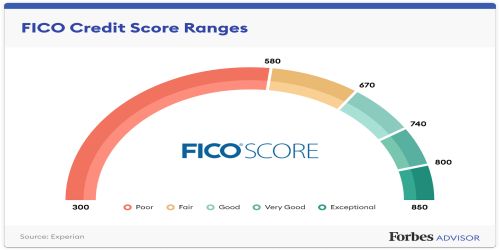
800-850 Excellent:You can get top credit cards that offer great rewards programs, generous perks, low interest rates and more.
740-799 Very good:Credit scores are above the US average and lenders consider this to be a very reliable borrower.
670-739 Good: Credit score close to or slightly above the US average, most lenders consider the person to have good credit.
580-669 Fair:Credit score is below the US average and a loan can be made, but usually at a higher interest rate.
300-579 Very poor:Credit score well below the US consumer average, usually cannot apply for credit cards, loans, or require a deposit up front.
How do you check your credit score?
Many credit cards now offer a free credit score check benefit. Discover, American Express, Citi, Barclaycard, etc., all offer free monthly updates of their FICO credit score ratings, making it easier for users to keep track of changes to their credit scores.
Everyday tips to improve your credit score
1. Pay your bills on time, including credit cards, loans, phone bills, rent, utilities, etc. It is advisable to set up automatic payment (Auto pay) to avoid lowering your credit score.
2. Don't cancel your credit card account at will. By keeping it, you will have a longer credit history, which is good for improving your credit score.
3. Apply for a secondary credit card. If a family member has a high credit score, consider asking them to give you a supplementary card with a longer history or a higher credit limit, which can quickly boost your credit score for newcomers.
4. Check your credit report details regularly and use your credit card benefits to keep an eye on changes to your credit score.
5. Try to find ways to remove any negative records on your report, or minimise the impact if possible.
 1
1 1
1OTHER NEWS
-
- How do I Choose Between Selling my Home and Renting it out?
- By Wendy 24 Apr,2023

-
- How to Effectively Manage Debt: Strategies for Balancing Payments and Savings
- By YCY 07 Jan,2026

-
- Should you Choose a Real Estate Agent When Buying a Home?
- By Wendy 24 Apr,2023

-
- Mobile phone is the bank: one-click account opening, one-click financial management, digital financial life is coming
- By ZH 24 Jul,2025

-
- What does the upgraded regulation of digital currencies mean to investors?
- By ZH 25 Jul,2025

-
- Who is the Primary Lender When Applying for a Home Loan? These Points are Important!
- By Little Grapes 24 Apr,2023

-
- The widening U.S. fiscal deficit is fueling debt concerns
- By ZXY 30 Jul,2025

-
- Real Estate Investment Needs to be Careful!
- By Little Grapes 24 Apr,2023

-
- Yield Curve Inversion Resurfaces: Is There Still Hope for a Soft Landing in the U.S. Economy?
- By ZXY 31 Jul,2025

-
- "Buy Now, Pay Later" is changing the consumer finance landscape: a payment revolution spreading around the world
- By ZH 25 Jul,2025

-
- Is German manufacturing losing its edge? The latest casualty of the US-China strategic rivalry
- By ZXY 29 Jul,2025

-
- High-yield stocks vs. growth stocks: Which type of investment is more resistant to risks? A game of wealth defense and offense
- By ZH 23 Jul,2025