Do you Know how Homeowner's Insurance Works?
What is homeowner's insurance?
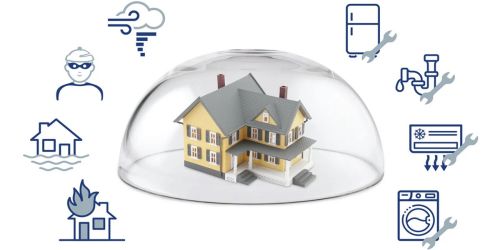
Homeowner's insurance helps you reduce property damage in the event of an unforeseen accident. Homeowner's insurance is an agreement between you and your insurance company that allows you to pay a certain amount in exchange for the coverage listed in your policy.
Is homeowner's insurance required?
Although no state requires homeowner's insurance, there are certain situations where it is necessary to have a homeowner's insurance policy. For example, if you are using a mortgage to purchase a home with another type of home loan, you should purchase a homeowner's insurance policy because if something were to happen to your home while you are still paying off your mortgage, you would have to pay for the additional costs of your home while you are paying off your mortgage, which would put a greater financial burden on you. In addition to this, it can also provide coverage for your personal belongings and in some cases help you pay for living expenses. It can even pay for legal fees and medical expenses in the event that a guest is injured on your property.
In short, while homeowner's insurance is not mandatory, it is necessary and recommended.

Homeowner's Insurance Coverage.
1,Dwelling Coverage: Also known as home structure coverage, this covers your home as well as accessory structures such as garages, which is the primary coverage of homeowners insurance. It will reduce or prevent your financial loss if the covered objects suffer some type of damage.
2, Personal Property Coverage: Covers your finances such as furniture, clothing, decorations, etc. However, standard personal property insurance
may not provide sufficient coverage for particularly expensive items, and it is recommended that you add some extra cost to purchase regular personal property insurance and add your valuables to it.

3, Personal Liability and Medical Payments Insurance: If someone is injured on your property and you are found to be at fault, then personal liability insurance will pay for your legal expenses. Medical payments insurance, on the other hand, covers the medical expenses of the person injured on your property, regardless of fault.
4, Additional Living Expenses: Pays for your living expenses away from home if your covered property becomes uninhabitable due to damage.
While homeowner's insurance can protect your belongings from a variety of situations, standard homeowner's insurance does not cover all situations. Therefore, you will need to purchase additional coverage depending on your circumstances, such as: flood insurance, earthquake insurance, etc.
 1
1 1
1OTHER NEWS
-
- "Buy Now, Pay Later" is changing the consumer finance landscape: a payment revolution spreading around the world
- By ZH 25 Jul,2025

-
- Do small businesses really need tax services? When can they file their own taxes?
- By YCY 27 Jan,2026

-
- Trump reignites tariff war, global supply chains face another shakeup
- By ZXY 28 Jul,2025

-
- High-yield stocks vs. growth stocks: Which type of investment is more resistant to risks? A game of wealth defense and offense
- By ZH 23 Jul,2025

-
- How much longer can the seven tech giants of the US stock market withstand high interest rates?
- By ZXY 28 Jul,2025

-
- The widening U.S. fiscal deficit is fueling debt concerns
- By ZXY 30 Jul,2025

-
- How to Effectively Manage Debt: Strategies for Balancing Payments and Savings
- By YCY 07 Jan,2026

-
- Who is the Primary Lender When Applying for a Home Loan? These Points are Important!
- By Little Grapes 24 Apr,2023

-
- Credit card points and rewards seem cost-effective, but they actually hide these traps
- By ZXY 01 Sep,2025

-
- Yield Curve Inversion Resurfaces: Is There Still Hope for a Soft Landing in the U.S. Economy?
- By ZXY 31 Jul,2025

-
- With China's exports declining, is the global consumption chain beginning to break?
- By ZXY 31 Jul,2025

-
- Watch out for the Following Credit Card Scams!
- By Wendy 24 Apr,2023